
Collagen
Does Collagen Actually Work? What the Research Says (2026)
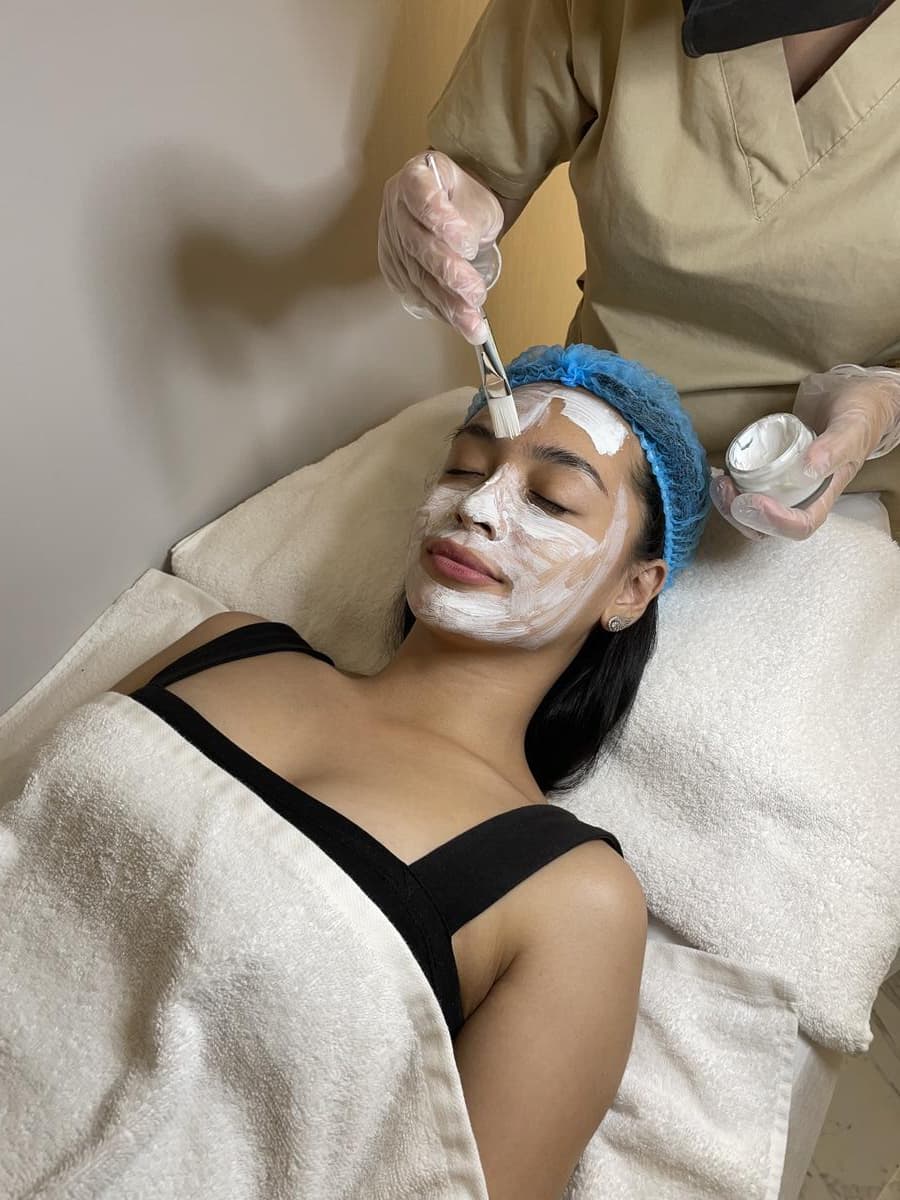
Collagen is in everything now — powders, drinks, creams, facials. But what does the research actually show? An honest, no-selling breakdown of the evidence behind every way you can 'take' collagen, and what realistically works.
Collagen might be the most marketed word in beauty right now. It's in powders, gummies, coffee creamers, drinks, creams, and treatment menus — including ours. So let's answer the question properly, with the research rather than the marketing: does collagen actually work?
The honest answer: it depends entirely on how you're taking it. Some routes have real evidence. Some are physiologically impossible. Here's the breakdown.
First, what collagen actually is
Collagen is the structural protein that gives skin its firmness and bounce — roughly 70–80% of your skin's dry weight. Your body makes it constantly, but production declines from your mid-20s at a commonly cited rate of about 1% per year, with UV exposure, smoking, sugar, and poor sleep accelerating the loss. The visible results: thinner skin, fine lines, and gradual sagging.
Everything sold as "collagen" is trying to do one of two things: add collagen from outside (supplements, creams) or make your skin produce more of its own (retinoids, energy-based treatments, bio-stimulators). That distinction decides what works.
Collagen supplements: modest, real, oversold
The best-studied route is hydrolyzed collagen peptides — collagen broken into fragments small enough to absorb through the gut.
What the research shows: multiple randomized controlled trials and systematic reviews (including a widely cited 2021 review of 19 studies covering over 1,000 participants) found that daily collagen peptides over 8–12 weeks produced measurable improvements in skin hydration and elasticity, with smaller effects on wrinkles.
The honest caveats:
- Effects are modest — instruments detect them; your mirror may or may not.
- Many trials are small and industry-funded, which tends to inflate results.
- Your gut breaks peptides into amino acids; your body decides where they go. You cannot direct swallowed collagen to your face.
- Benefits fade when you stop, so it's a permanent line item (₱1,000–₱3,000+/month for reputable brands in PH).
Verdict on supplements: a reasonable supporting habit if the budget is comfortable — not a replacement for sunscreen, retinoids, or sleep.
Collagen creams: the one that doesn't work
Collagen molecules are far too large to pass through the skin barrier. A collagen cream sits on the surface as a decent moisturizer — temporarily plumping the look of skin the way any humectant does — and that's all.
If a cream improves your skin's collagen, it's because of other ingredients: retinoids (the most evidence-backed topical for stimulating collagen), vitamin C (a required cofactor for collagen synthesis), or peptides (signal molecules with growing but weaker evidence). Buy those actives; don't pay extra for "collagen" on the label.
What actually rebuilds collagen
The strongest evidence sits with approaches that trigger your skin's own production:
| Approach | How it works | Evidence strength | Realistic expectation |
|---|---|---|---|
| Daily SPF | Prevents UV collagen breakdown | Strong | Best value "collagen treatment" that exists |
| Topical retinoids | Signal skin to produce collagen | Strong | Gradual improvement over months |
| Collagen peptide supplements | Amino acids + possible signalling effect | Moderate | Modest hydration/elasticity gains |
| Radiofrequency (RF) | Controlled heat triggers collagen remodelling | Moderate–strong | Gradual firming over a course |
| HIFU (focused ultrasound) | Deep thermal points trigger new collagen | Moderate–strong | Lifting/firming building over 2–3 months |
| Red light therapy | Photobiomodulation supports cell activity | Moderate | Subtle improvement, very low risk |
| Injectable bio-remodellers | Hyaluronic acid spread that stimulates collagen | Moderate | Improved bounce/quality over a series |
| Collagen creams | Sits on surface | Weak (for collagen itself) | Moisturization only |
The pattern is clear: your skin responds to signals — light, heat, actives — far better than to imported collagen.
The cheapest collagen plan in existence
Before any product or treatment, the research supports four free-to-cheap habits: broad-spectrum SPF every day (UV is the biggest collagen destroyer), enough protein (collagen is built from amino acids), vitamin C in diet or skincare, and sleep — growth hormone released in deep sleep drives repair. Smoking and high sugar intake do the opposite; glycation stiffens collagen fibres.
None of this sells well, which is why you rarely see it in ads.
Collagen "works" when the method respects biology. Supplements: modestly, with consistent daily use — evidence is real but oversold. Creams: no, beyond moisturizing. Stimulating your own production — through retinoids, SPF discipline, and energy-based treatments like RF, HIFU, or red light — has the strongest evidence of all. If your goal is visibly firmer skin and home care has plateaued, that last category is where a consultation makes sense; if someone promises a supplement will lift sagging skin, keep your money.
We wrote previously about why the industry is shifting from "anti-aging" to long-term skin health in collagen banking & skin longevity — this piece is the evidence behind that shift. And if you're weighing collagen-stimulating treatments, the Collagen Lifting Facial, 12D HIFU, and Profhilo pages explain the mechanisms honestly.
SOI Clinic publishes research-based guides so you can make informed decisions — whether or not a treatment is the answer.
Treatments mentioned