
Google Trends
The Most-Googled Beauty Treatments in the Philippines (2026)
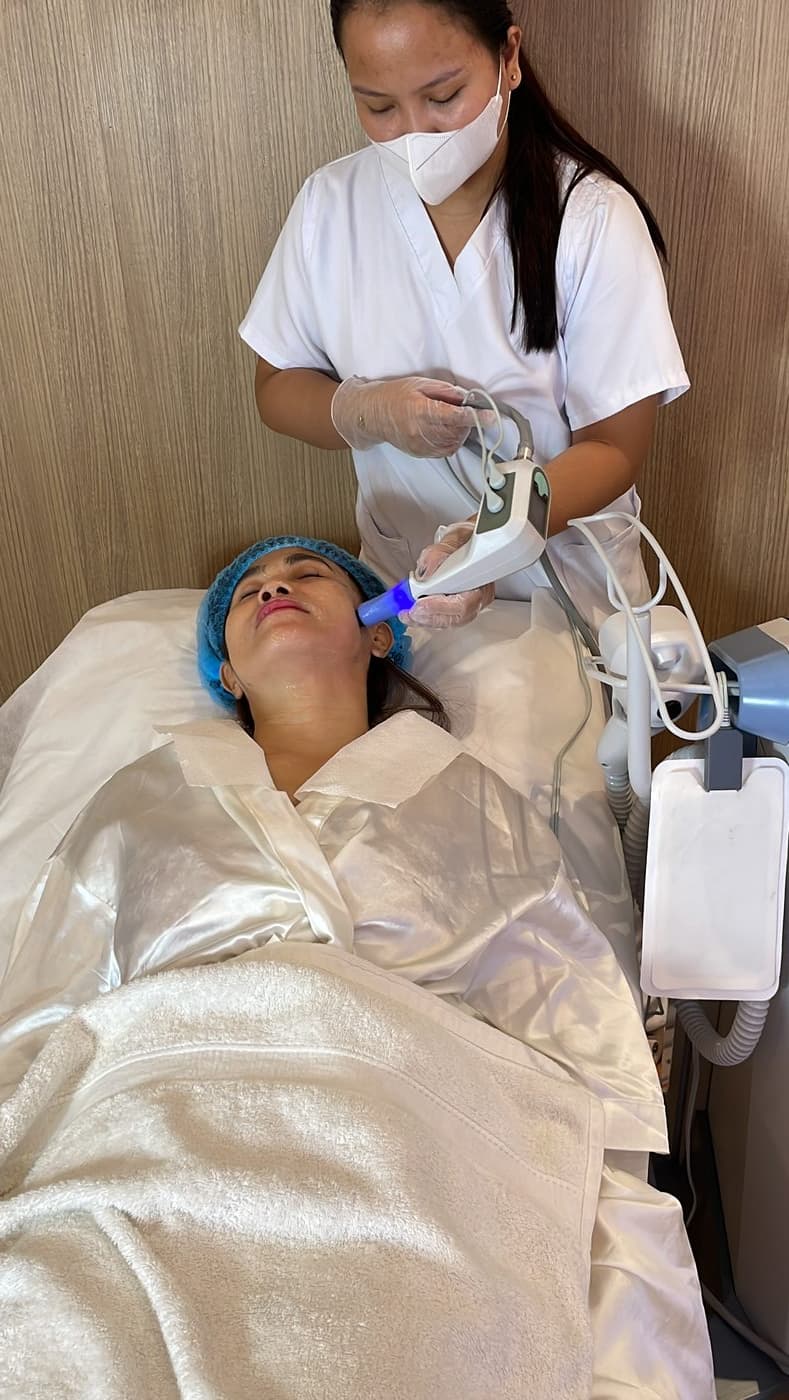
Beauty trends move quickly, but search behavior reveals what people are seriously researching. Here are the treatment categories attracting attention in the Philippines—and what those searches tell us.
What are Filipinos actually typing into Google before they book a beauty treatment?
It sounds simple. It is not. One person searches “HIFU Philippines,” another types “non-surgical facelift,” and a third asks “how to tighten face without surgery.” All three may want essentially the same thing.
So instead of presenting a suspiciously precise top ten based on one spelling, we reviewed the treatment clusters that repeatedly attract Philippine search interest: the procedure name, common alternatives, and the concern behind it. The result is a more useful picture of what people are researching in 2026—and why.
Method note: Google Trends reports relative interest, not absolute search volume. A score of 100 marks the peak within a selected comparison; it does not mean 100 searches. Results also change with the date range and terms selected. Treat this as a demand snapshot, not an audited market-share table.
The 2026 search-interest shortlist
| Search cluster | What people commonly type | What is driving interest |
|---|---|---|
| Facial treatments | facial, facial near me, hydrafacial | Maintenance, glow and low downtime |
| Laser hair removal | laser hair removal, diode, underarm laser | Convenience and long-term hair reduction |
| Acne care | acne treatment, acne facial, acne scars | A persistent concern across age groups |
| Pigmentation | melasma treatment, dark spots, whitening | Sun exposure and post-acne marks |
| HIFU and lifting | HIFU, face lifting, non-surgical facelift | Visible firming without surgery |
| Body contouring | slimming treatment, RF body contouring, EMS toning | Targeted shaping rather than weight loss |
| Skin boosters | Botox, fillers, Profhilo, skin booster | Skin quality and subtle rejuvenation |
This is not a league table where number seven is worse than number one. Everyday services such as facials generate broad, steady searches; expensive procedures often produce smaller but more specific, purchase-ready searches.
1. Facials remain the gateway treatment
“Facial” is still the language most people know. It is broad, comfortable, and easy to fit into a monthly routine. Searchers then narrow the question: facial for acne, dry skin, an event, or a named option such as HydroFacial.
Most people do not begin by shopping for a machine. They begin with a feeling or goal: congested, dull, dehydrated, or wanting to look fresher.
For a deep-cleaning and hydration-led option, see our HydroFacial guide. For sensitive or event-focused skin, an Oxygen Facial may make more sense.
2. Laser hair removal has durable, practical demand
Some searches are driven by novelty. Laser hair removal is different: shaving, waxing, ingrown hairs, and underarm maintenance consume time every week.
The searches are practical: price, session count, pain, morena-skin safety, and what happens between sessions. That is strong buying intent, but also shows why clinics should explain the full course—not advertise one magically permanent session. Results vary with hair color, growth cycle, hormones, device settings, and consistency.
SOI’s OPT Laser Hair Removal page explains the treatment itself; our detailed Philippine price and session guide is scheduled later in this series.
3. Acne searches never go out of season
Acne interest is less trend and more constant need. In the Philippines, humidity, sweat, occlusive products, hormones, stress, and pollution can overlap, which is why searches often focus on symptoms: jawline acne, fungal acne, back acne, or acne marks.
The internet treats every breakout as the same condition. It is not. Small itchy bumps may need a different approach from inflamed hormonal acne; post-acne pigmentation is not active acne; deep cystic acne may require a dermatologist.
Start with our guide to the real causes of adult acne, then consider an assessment before stacking harsh actives or copying a viral routine.
4. Melasma and dark-spot searches are distinctly local
Pigmentation is a major Philippine concern: strong year-round UV, heat, inflammation, and melanin-rich skin that can develop post-inflammatory hyperpigmentation.
Search language ranges from clinical (“melasma treatment”) to outcome-led (“remove dark spots”) and culturally loaded terms such as “whitening.” These are not always the same goal. Healthy care should focus on even tone, controlled inflammation, and sun protection, not changing someone’s natural skin color.
Melasma is especially stubborn because heat, hormones, and UV can reactivate it. Our Filipino melasma guide explains why maintenance and sunscreen matter as much as treatment.
5. HIFU leads the non-surgical lifting conversation
HIFU has become shorthand for lifting without surgery. Searchers compare it with RF, thread lifts, Ultherapy, and branded multi-depth treatments.
The attraction is straightforward: a firmer jawline or lifted face without incisions and a long recovery. But “HIFU” covers different devices, depths, protocols, and operator skill. Two offers with the same label can deliver very different experiences.
Price shoppers can read our HIFU cost guide. Our LuxeWave vs HIFU guide focuses on feel, timing, and ideal candidates.
6. Body contouring searches reveal a three-part problem
People search “slimming treatment,” but usually mean one of three things:
- Reduce a stubborn pocket of fat.
- Firm loose skin.
- Improve muscle definition.
No single treatment does all three equally. Radiofrequency contouring and EMS toning target different tissue. Our slimming treatment comparison starts with the goal rather than declaring one machine the winner.
7. Skin boosters are the fastest-changing language
Searches move between Profhilo, PDRN or “salmon DNA,” exosomes, biostimulators, and the generic phrase “skin booster.” Social media introduces the name; consumers then search to discover whether it is an injectable, facial, or ingredient.
The shared desire is less about changing facial shape and more about better skin quality: hydration, bounce, texture, and glow. Before chasing the newest name, read our honest guides to Profhilo vs fillers vs Botox and PDRN in the Philippines.
What the patterns say about Filipino beauty in 2026
Three themes cut across nearly every category.
Low downtime wins
People want treatments that fit around work, events, and daily life. “No downtime,” “how long,” and “can I wear makeup after” are central questions.
The result matters more than the technology
Consumers may discover a machine name on TikTok, but their real question is still human: Will this clear my skin? Will I look less tired? Is this worth the money?
Searchers are becoming more skeptical
Comparison searches—“versus,” “worth it,” “side effects,” “how many sessions”—signal a more informed consumer. That is healthy. Treatments should survive careful questions.
Our honest verdict
The most-Googled treatment is not automatically the right treatment. Search data is a map of curiosity: it shows which concerns are pressing and which names are gaining attention. Start with your concern, budget, skin type, and realistic outcome—not the loudest trend.
Research first, then choose in person
If you are comparing popular treatments and still cannot tell which matches your concern, that is normal. At SOI Clinic, consultations are free and pressure-free: we assess first, explain the trade-offs, and give you a realistic plan.
Visit us in BGC, Taguig or Quezon City, open daily from 10am to 9pm, or book a consultation.
---
Source and methodology: Google Trends comparisons for the Philippines, reviewed in June 2026 using treatment names, alternative spellings, and concern-led queries. Google Trends data is sampled and normalized; rankings can change by comparison set and period.
Treatments mentioned